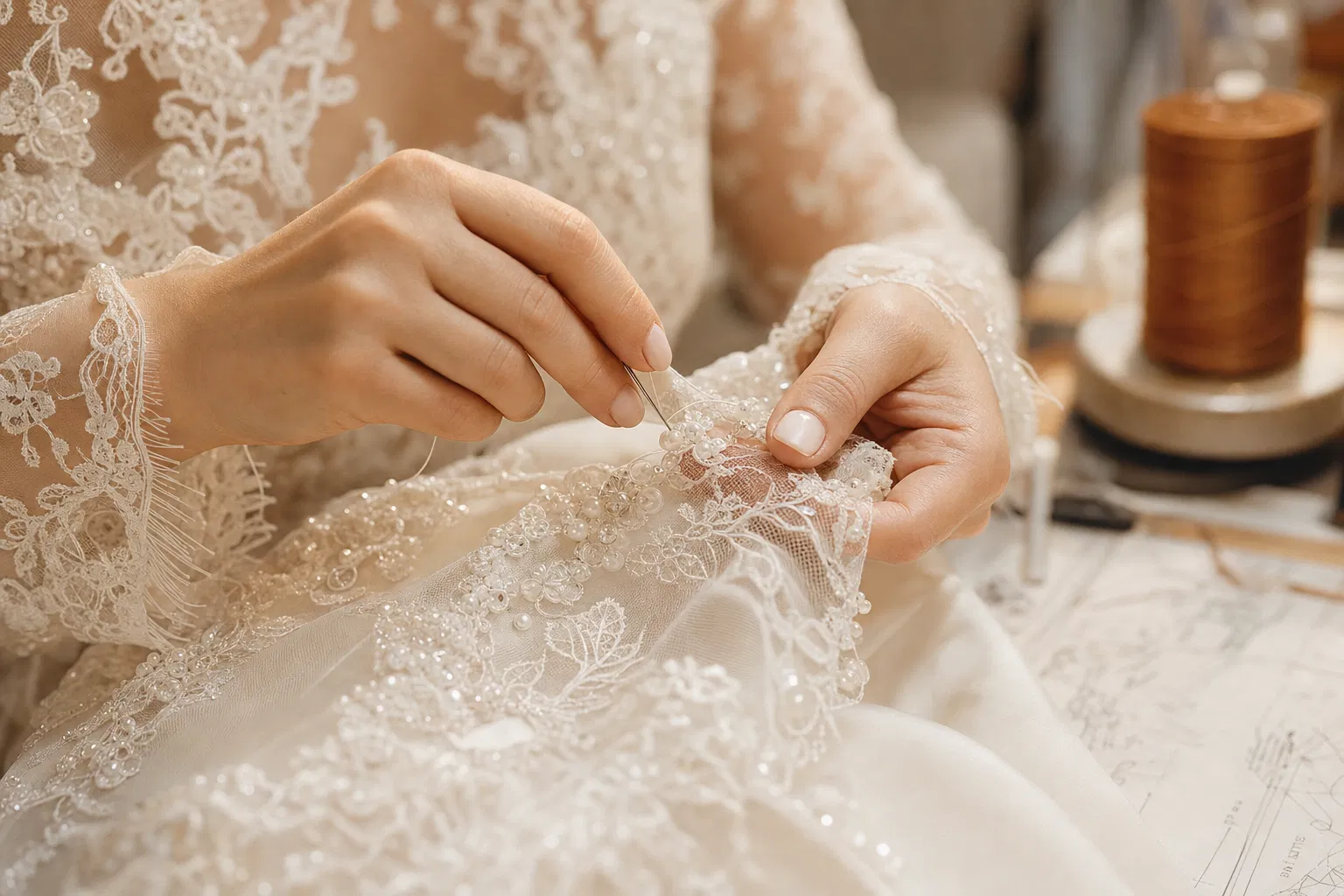
From natural fibers to performance blends — what every fabric is, how it behaves, and how to treat it.
Natural Fibers
Natural fibers come from plants and animals. They are generally breathable, biodegradable, and have been used in clothing for thousands of years.
Cotton is the most widely used natural fiber in the world. It is soft, breathable, absorbent, and durable. Cotton can handle regular machine washing and moderate heat. Its main weaknesses are that it wrinkles easily and can shrink if washed in hot water. Pre-washed or pre-shrunk cotton is more stable. Egyptian and Pima cotton are long-staple varieties that are softer and more durable than standard cotton.
Wool is a protein fiber from sheep (and related animals like alpaca, cashmere goats, and angora rabbits). It is naturally insulating, moisture-wicking, odor-resistant, and wrinkle-resistant. Wool requires gentle handling — it felts and shrinks when agitated in hot water. Most wool garments should be hand-washed in cold water or dry-cleaned. Merino wool is a finer variety that is softer against the skin and more resistant to shrinkage.
Silk is a protein fiber produced by silkworms. It is lustrous, lightweight, and has a natural temperature-regulating quality. Silk is delicate — it can be damaged by heat, sunlight, and harsh detergents. Most silk should be hand-washed in cold water with a gentle detergent or dry-cleaned. Avoid wringing or twisting silk; press gently with a cool iron.
Linen is made from the flax plant. It is strong, breathable, and gets softer with each wash. Linen wrinkles easily, which many people consider part of its natural charm. It can be machine-washed on a gentle cycle in cool or warm water. Linen is an excellent choice for warm-weather clothing.
Synthetic Fibers
Synthetic fibers are manufactured from chemical compounds, typically derived from petroleum. They are generally more affordable, durable, and wrinkle-resistant than natural fibers, but less breathable.
Polyester is the most common synthetic fiber. It is durable, wrinkle-resistant, and holds its shape well. Polyester can be machine-washed and dried, though high heat can cause it to pill or melt. It is not breathable and can retain odors over time.
Nylon is strong, lightweight, and abrasion-resistant. It is commonly used in activewear, hosiery, and outerwear. Nylon can be machine-washed in cool water.
Spandex (Lycra) is an elastic synthetic fiber used in small percentages in many garments to add stretch. It should be washed in cool water and air-dried — heat degrades the elastic properties over time.
Rayon (Viscose) is a semi-synthetic fiber made from wood pulp. It drapes beautifully and has a soft, silky feel. However, rayon is weak when wet and can shrink dramatically. Many rayon garments are labeled dry-clean only, though some can be carefully hand-washed.
Blends
Most modern garments are made from blends of two or more fibers, combining the best properties of each. A cotton-polyester blend, for example, combines cotton's breathability with polyester's wrinkle resistance. When caring for blends, follow the care instructions for the most delicate fiber in the blend.
How to Read Fiber Content Labels
By law, all garments sold in the United States must disclose their fiber content on a label. The fibers are listed in descending order by percentage. A label reading "60% Cotton, 35% Polyester, 5% Spandex" tells you the garment is primarily cotton with some polyester for durability and a small amount of spandex for stretch.
Understanding fiber content helps you make smarter purchasing decisions and care for your garments correctly. A skilled tailor or seamstress will always ask about fabric content before undertaking alterations, as different fibers require different techniques and tools.
Looking for a trusted professional?
Browse our directory of seamstresses, tailors, and alterations specialists across the Houston metro area.
Find a Professional